

The Seerah, or the life of Prophet Muhammad (PBUH), offers a profound study of the art of war embedded within Islamic ethics, diplomacy, and moral guidelines. Far from a straightforward account of battles, the Seerah reveals a nuanced approach to conflict that balances strategy, restraint, compassion, and justice. Here’s an exploration of the art of war from the Seerah’s perspective:
1. Purpose and Justification of War
In Islam, warfare is permitted primarily for defense and to protect the rights of individuals to practice their faith freely. The Seerah highlights that war is not an end in itself but a last resort to protect justice and prevent oppression. In this context, battles such as Badr, Uhud, and Khandaq underscore the defensive nature of the conflicts faced by the early Muslim community, emphasizing the protection of their lives, property, and rights.
2. Strategic Planning and Intelligence
The Prophet Muhammad (PBUH) demonstrated exemplary strategic insight and planning in warfare, using intelligence, scouting, and situational awareness. For instance, before the Battle of Badr, he gathered critical information about the Quraysh forces and devised a plan that took advantage of the terrain and available resources. Similarly, in the Battle of Khandaq, he accepted the strategy of digging a trench around Medina, an unconventional tactic at the time, which showcased his adaptability and willingness to innovate.
3. Diplomacy and Peaceful Conflict Resolution
An essential aspect of the Seerah is the Prophet’s (PBUH) commitment to diplomacy and peaceful negotiations whenever possible. The Treaty of Hudaybiyyah, for example, demonstrated that the Prophet preferred peace and compromise over warfare. This treaty, though seemingly unfavorable to the Muslims initially, ultimately facilitated the peaceful spread of Islam and strengthened the Muslim community.
4. Rules of Engagement and Conduct in War
The Seerah outlines specific ethical guidelines for conduct in war, emphasizing that non-combatants, including women, children, the elderly, and religious leaders, must not be harmed. Property, crops, and animals were also to be spared, showing a deep commitment to minimizing harm and preserving the dignity of all life even amidst conflict. In several instances, the Prophet (PBUH) explicitly instructed his soldiers to uphold these principles, exemplifying the concept of just war in Islam.
5. Leadership and Morale
The Prophet’s leadership style during times of war was marked by empathy, encouragement, and leading by example. His presence on the battlefield alongside his companions and his attention to their morale fostered unity and strengthened their resolve. In battles like Badr and Uhud, he encouraged his companions to maintain faith, resilience, and trust in divine support, cultivating a sense of purpose that went beyond mere military victory.
6. Forgiveness and Reconciliation
Perhaps one of the most remarkable aspects of the Seerah’s approach to warfare is the emphasis on forgiveness and reconciliation. After the conquest of Makkah, where he returned victorious, the Prophet (PBUH) pardoned many of his former adversaries, setting a precedent for mercy over revenge. This act of forgiveness not only secured peace but also won the hearts of many former opponents, showcasing how reconciliation can be more powerful than retaliation.
7. Balancing Justice and Compassion
The Seerah demonstrates that the Prophet’s (PBUH) approach to warfare was always balanced with a profound sense of justice and compassion. Justice was a priority, ensuring that tyranny and oppression were opposed firmly. However, compassion was never absent from his decisions, as he prioritized reducing harm wherever possible and welcomed efforts towards peace. This balance highlights a holistic approach to conflict, where the ultimate aim is to restore balance and harmony.
Conclusion: The Art of War as an Art of Peace
In the Seerah, the art of war is presented not as a pursuit of domination or conquest, but as a means to protect human dignity, foster justice, and establish a peaceful society. By examining these instances through the Seerah, one can understand how the Prophet Muhammad (PBUH) exemplified an approach to war that balanced strength with mercy, strategy with ethics, and justice with forgiveness. His actions and decisions serve as a timeless guide for addressing conflict with a higher moral and ethical responsibility.
Through these principles, the Seerah presents a model of warfare that is inherently humanistic, aimed at achieving peace, stability, and justice in a way that respects the dignity and rights of all involved.
Integrating wisdom traditions with contemporary knowledge
Al Hadid recognizes that true human development requires the harmonious integration of multiple dimensions: physical health, mental clarity, spiritual depth, and practical wisdom.
Our approach draws from the rich heritage of traditional healing arts, contemplative sciences, sacred texts, and strategic thinking, while remaining grounded in rigorous scholarship and empirical understanding.
01
Holistic development
Addressing the complete spectrum of human potential across physical, mental, emotional, and spiritual dimensions.
02
Traditional wisdom
Drawing from time-tested practices and philosophical frameworks that have guided human flourishing for centuries.
03
Contemporary application
Adapting ancient insights to address the unique challenges and opportunities of modern life.
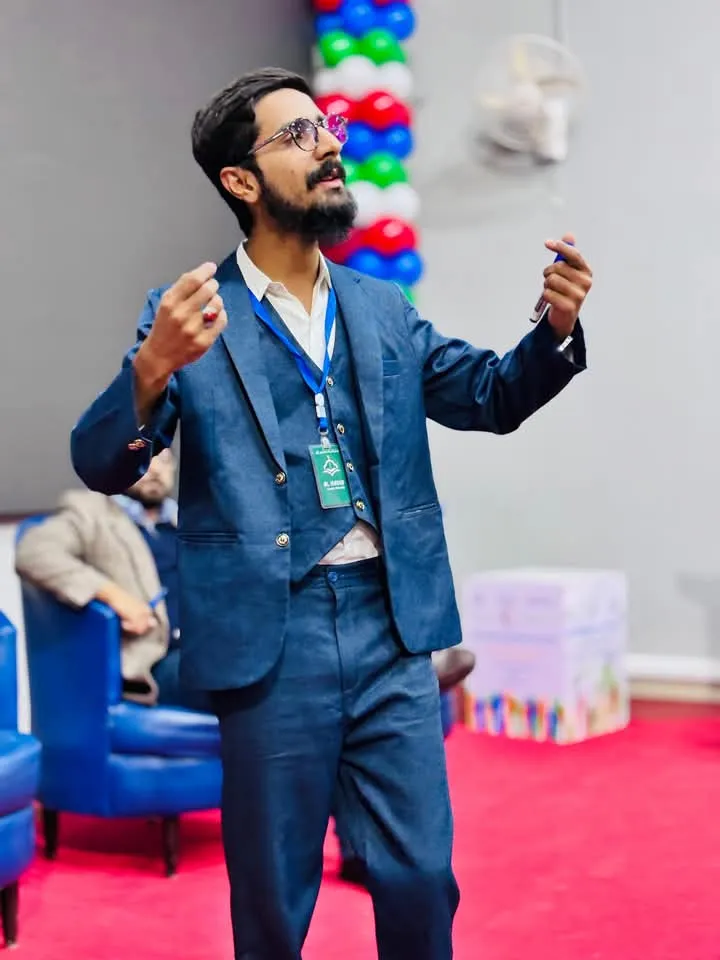
Founder & Visionary
Dr. Muzammil Ramzan
Dedicated to the holistic transformation of individuals and societies through the integration of ancient wisdom and modern science.
Standout graduates whose work now reaches clinics, institutes, and communities across Pakistan.
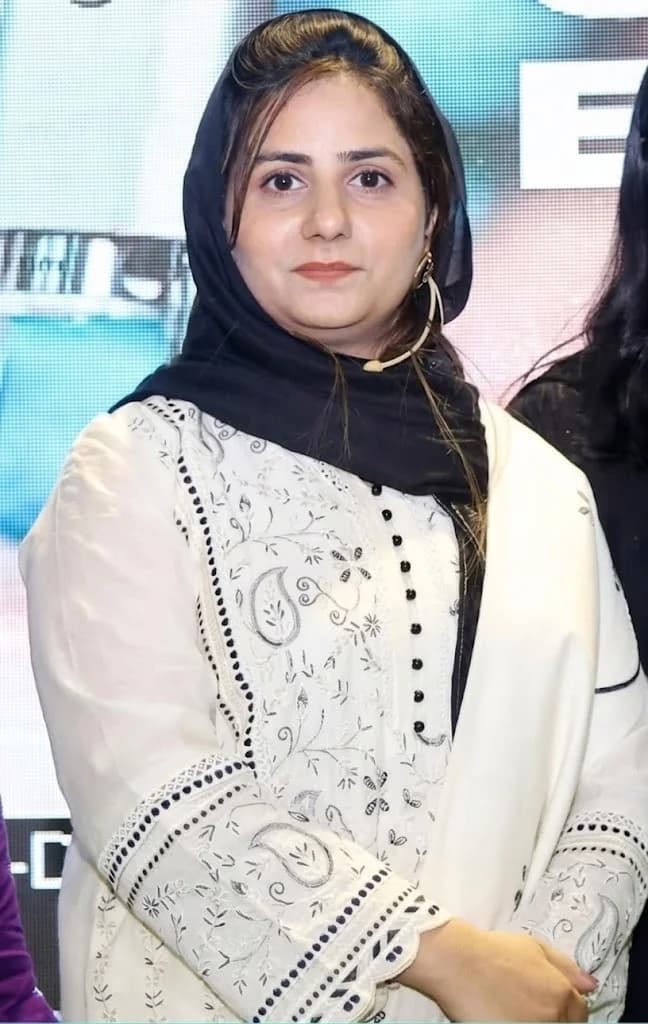
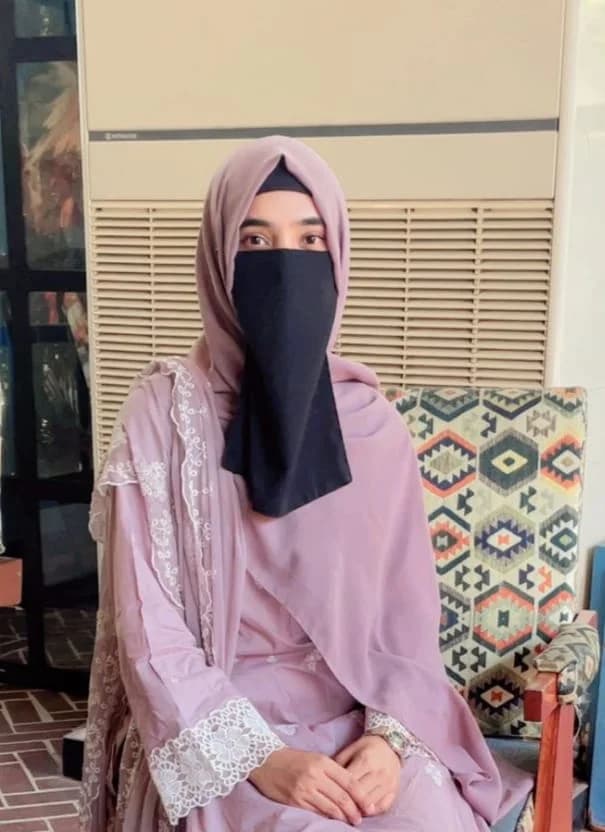
Eman Fatima
Founder of Imaniyah Institute · Life Coach & Psychology Expert
She is the Founder of Imaniyah Institute and a proud alumna of Al Hadid. As a Life Coach, Psychology Expert, and Mentor, she empowers indivi…
Hammad Kalim Malhi
CEO of Hikson Academy · Medical Educator & Author
CEO of Hikson Academy, a medical educator, and author specializing in Integrative Medicine, Acupuncture, Dry Needling, Hijama, Herbal Medici…
M. Umer Haq
Doctor of Physical Therapy (4th year) · IFCA & IREPS Certified Fitness Trainer
Certified in stroke rehab, cupping therapy, kinesiotaping, and dry needling. Biology lecturer at Al Hafiz Science Academy, General Secretary…
Amna Touqir
Educator · Psychologist · Trainer · Community Leader
Educator, psychologist, trainer, social worker, freelancer, media professional, and community leader recognized for contributions to educati…
Dr. Rizwan Afzal PT
Physiotherapist · Author · Founder, The Physio Network Community
Physiotherapist, author, and community leader from Nawabshah, Sindh. Earned his Doctor of Physical Therapy (DPT) from Liaquat University of…
Technology partner
Built with TechCognify
This Learning Management System is a combined effort of Al Hadid and TechCognify — a strategic partnership to deliver modern, accessible education online.
Announced on 14 July 2026, the collaboration brings together Al Hadid’s academic vision under Dr. Muzammil Ramzan with TechCognify’s product and engineering leadership under Ibrahim Bajwa. Together we are building the Al Hadid LMS so students and professionals can learn with clarity, structure, and care.
A comprehensive masterwork exploring the synthesis of ancient healing practices with contemporary medical science. This essential text offers a holistic framework for human wellness, vitality, and the practical application of integrative therapies in modern contexts.
Clinical Psychology, Counseling & Psychotherapies is a practical, skills-focused course designed to build a strong foundation in psychological assessment, counseling, psychopathology, and evidence-based therapeutic approaches. Students learn how to understand common psychological disorders, conduct structured intake and case formulation, develop counseling skills, and apply major psychotherapeutic models including CBT, NLP, and Clinical Hypnotherapy.
The course also emphasizes professional ethics, communication, clinical documentation, applied case work, and the development of practical therapeutic confidence for healthcare professionals, educators, coaches, and individuals interested in mental health practice.
The Professional Online Diploma in Natural Cosmetics, Herbal Formulation & Brand Development is a 2-month practical program designed to teach the complete journey from cosmetic formulation to brand creation. Students learn the fundamentals of natural and herbal cosmetic science, ingredient selection, skin and hair product development, emulsions, preservation, pH, stability, safety, packaging, and quality control.
The course also covers the commercial side of the cosmetic industry, including product costing, pricing, branding, packaging, digital marketing, advertising, WhatsApp sales, and brand-launch strategy. By the end of the program, learners will understand how to develop cosmetic products systematically and build a structured plan for launching their own skincare, haircare, or herbal cosmetic brand.
Core Focus:
Natural Cosmetics • Herbal Formulation • Skin Care • Hair Care • Product Development • Branding • Marketing • Cosmetic Entrepreneurship
A concise introduction to manipulation, persuasion, deception, influence, gaslighting, and dark personality traits. The course helps students recognize manipulative behavior, understand how psychological influence works, and develop ethical strategies for self-protection and communication.
This professional Dry Needling Diploma provides a structured, evidence-informed approach to dry needling for musculoskeletal practice. Starting from foundational concepts, students progress through mechanisms of action, pain science, clinical anatomy, patient screening, safety, clinical reasoning, and practical applications for the upper limb, lower limb, spine, and selected special populations. The course emphasizes assessment-driven treatment, safe practice, test–treat–retest methodology, rehabilitation integration, patient communication, and ethical clinical practice, helping learners develop dry needling as a clinically reasoned skill rather than simply a needling technique.
Course Overview
The Youth Money Blueprint course is an action-oriented masterclass tailored for young adults, students, and aspiring entrepreneurs aiming to achieve long-term success, financial stability, and self-mastery before the age of 30. Grounded in both practical wealth-building strategies and mental and spiritual discipline, this workshop moves beyond surface-level motivation to provide a structured, repeatable roadmap for personal and financial growth.
Key Learning Outcomes
Finding Purpose & Direction: Discover personal purpose and align daily actions with long-term financial and life goals.
Skill Acquisition & Monetization: Learn how to identify, develop, and upgrade high-value skills that systematically build income.
Avoiding Financial Pitfalls: Identify common greed traps, short-term temptation cycles, and financial misconceptions that hinder early career growth.
Habit & System Building: Establish foundational daily habits, leverage personal networks, and develop the mental discipline required to sustain wealth and self-mastery.
Course Curriculum Breakdown
Watch This Before You Waste Your 20s | Youth Money Blueprint – A complete workshop breaking down the core principles of ethical earning, skill mastery, environment control, and purpose-driven wealth creation.